7 Ways to Future-Proof Your Brain for the Next 50 Years
Your brain encounters more information in 24 hours than people in the 1970s absorbed in an entire month. The world is accelerating, but cognitive decline is not inevitable....
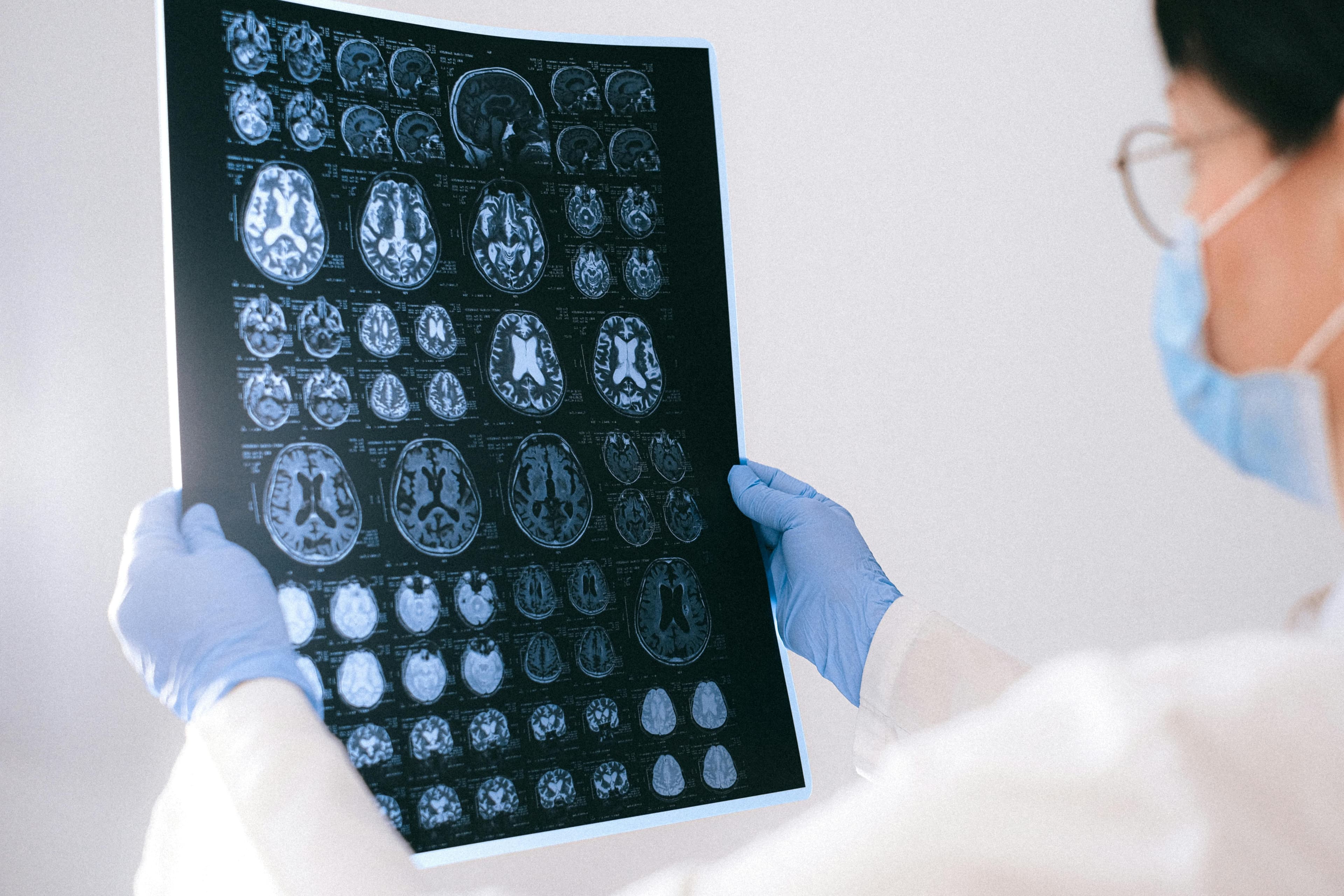
Did you know that your brain processes more information in a single day than people in the 1970s absorbed in an entire month? The world is accelerating at a pace our brains were never designed for. But here's what my 40+ years of research into directed neuroplasticity have taught me: cognitive decline is not inevitable. You have far more control over your brain's future than you may realize. In this podcast episode and blog, I want to share 7 strategies to help you future-proof your mind for the decades ahead.
The key is intentionality. Your brain is always changing—that's the plastic paradox I talk about so often. It changes in response to your environment, your habits, your thoughts, and your choices. The question is never whether your brain is changing. It's whether you are directing that change, or simply letting it happen to you.
Here are the 7 strategies I cover in this episode for future-proofing your mind:
1. Strengthen cognitive flexibility. The ability to shift between ideas, adapt to new information, and hold complexity without shutting down is one of the most protective things you can build. Rigid thinking accelerates mental aging. Flexible thinking does the opposite.
2. Regulate your emotions under pressure. Emotional dysregulation is one of the biggest threats to long-term brain health, and one of the most underestimated. When we chronically operate in a stress response, we accelerate wear on the brain's prefrontal cortex, the very region responsible for decision-making, focus, and self-control. Learning to manage your emotions isn't soft; it's one of the most powerful things you can do for your cognitive longevity.
3. Develop predictive awareness. The brain is a prediction machine. Training yourself to think ahead, to anticipate challenges, rehearse responses, and build mental scenarios, strengthens the neural networks associated with planning and foresight.
4. Build identity adaptability. One of the most underrated aspects of long-term brain health is the willingness to let your sense of self evolve. People who hold rigidly to a fixed identity are more cognitively vulnerable as life changes. Cultivating a flexible, growth-oriented identity keeps the brain engaged and resilient.
5. Commit to lifelong learning. Every time you learn something new, you are literally building new neural architecture. This isn't metaphorical—it is physical. New skills, new knowledge, new perspectives all create new connections in the brain, which act as a kind of cognitive reserve over time.
6. Prioritize deep rest and mental recovery. The brain does its most important maintenance work when you are not actively thinking—during sleep and rest. Chronic busyness and mental overload prevent the brain from consolidating memory, clearing cellular waste, and restoring balance. Rest is not laziness. It is neuroscience.
7. Manage your mind intentionally, every day. This is the foundation of everything I teach. Using a structured process like the Neurocycle to detox toxic thoughts, build healthy thinking patterns, and direct your neuroplasticity is the single most powerful long-term investment you can make in your brain. Small, consistent daily practice creates compounding change over months, years, and decades.
Whether you are in your 30s, 50s, or 70s, your brain retains the ability to change. It is never too late, and it is never too early, to start directing that change with intention.