Stop Trying to Stay Safe—It's Making You Sick
Constant alertness doesn't always make you safer....
In my latest podcast episode, I reveal how modern "safety culture" can secretly destroy your mental health, and teach you to fear the very people who could become your community. Listen to the full episode here.
The Truth About Constant Vigilance
Here's what most people don't understand: constant alertness doesn't always make you safer.
When you're stuck in toxic, fear-based thinking, your body shifts into toxic stress. Blood vessels around your heart constrict, reducing oxygen to your brain. Your immune system becomes compromised. The brain produces too much high beta activity in the dorsolateral prefrontal cortex—the area responsible for judgment—which leads to emotional reactions that cause even more fear and panic.
Your nervous system literally can't tell the difference between protection and panic. The fear itself becomes more dangerous than the actual threat.
Why Your Brain Thinks the World Is More Dangerous Than It Is
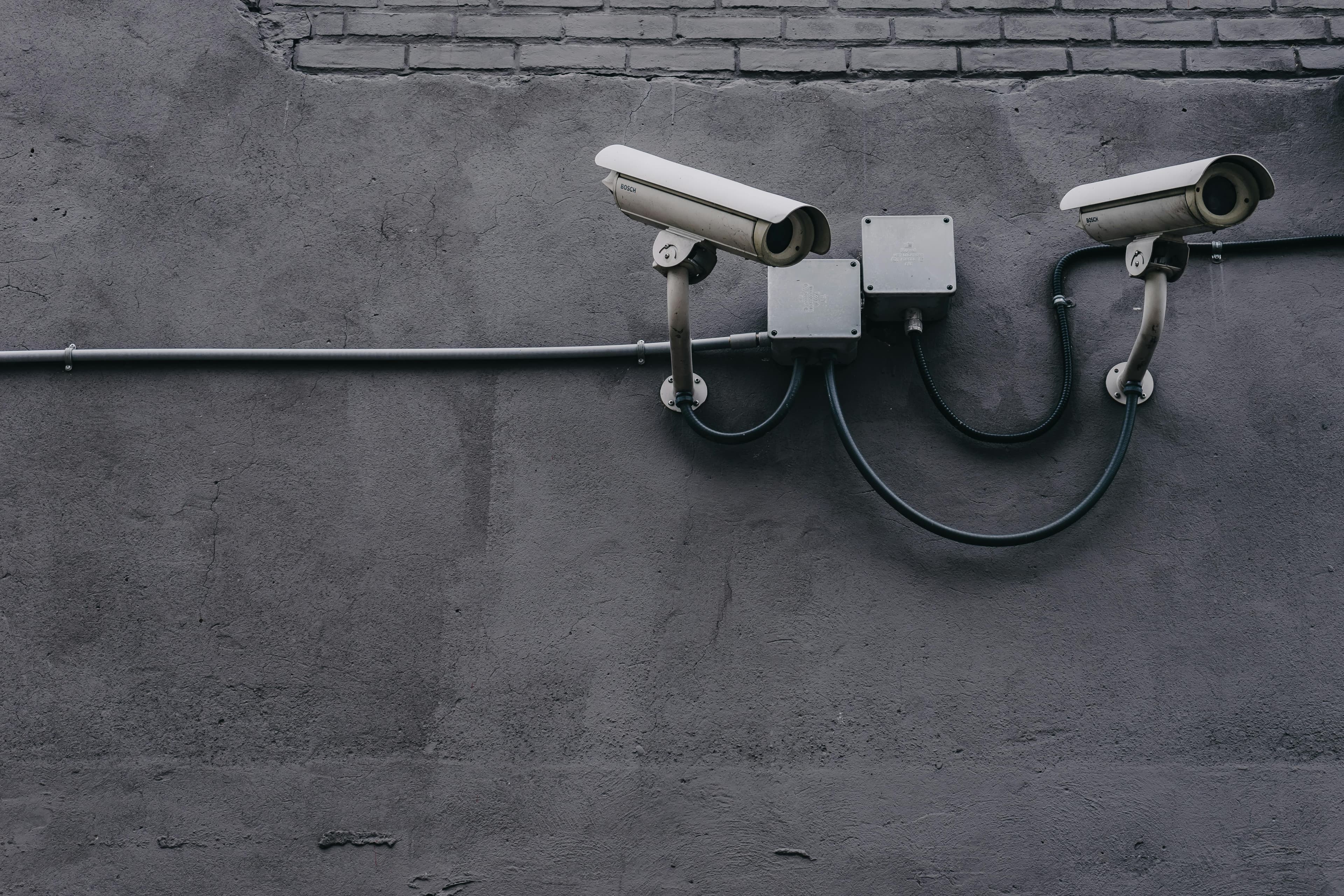
Every alert you receive, every security camera check, every worried post you read is training your brain's neural pathways. The amygdala—your brain's emotional processing center—goes into overdrive. When there's too much activity here, you overreact, over-generalize, and catastrophize situations. You start seeing threats that aren't really there.
This disconnect between the amygdala and your prefrontal cortex means you can't effectively reason with your emotions. Your decision-making capabilities become impaired. And if you stay in this state long enough? It can lead to actual brain changes that affect both your mental and physical health.
What Your Brain Actually Needs
When you shift from vigilance to trust, something powerful happens in your brain. You increase gamma activity flow from the front to the back of the brain, enhancing your integrative ability, high-level learning, and creative insight. You start thinking with more wisdom and making better decisions.
The 5-Step Neurocycle to Rewire Fear
I've developed a scientifically-researched process that can help you break free from this fear cycle. It's called the Neurocycle, and it takes just 5-10 minutes a day. Here's how it works:
1. Gather Awareness: Notice when you're in hypervigilance mode. What are you feeling? What's happening in your body? What triggered this?
2. Reflect: Ask yourself why. Why do you feel the need to constantly monitor for threats? Where did you learn that the world is this dangerous?
3. Write: Write down what's on your mind to organize your thinking and uncover patterns.
4. Recheck: Reconceptualize your thinking. Replace "I need to stay alert at all times. Strangers are dangerous" with "I can be reasonably aware without being consumed by fear. Many people are good. Connection creates safety."
5. Active Reach: Practice your new thought pattern daily. Set reminders. Use the 90-second rule; when fear rises, observe it for 90 seconds without reacting.. And take real-world action! Introduce yourself to a neighbor. Join a community group. Replace one vigilance habit with a connection habit.
The 63-Day Transformation
Neuroplasticity, your brain's ability to change, requires time. Research shows it takes approximately 63 days to build a new thought pattern and break an old one. In the first 21 days, you're disrupting the automatic circuit. Days 22-42, the new pattern starts to feel natural. By days 43-63, your new way of thinking becomes automatic.
You'll catch yourself naturally choosing connection over fear, trust over suspicion. This becomes your new normal.
The Ripple Effect
Here's the beautiful truth: when you shift your own meaning, you create space for others to do the same. Your courage to trust becomes their permission to trust. One person's shift can transform an entire community.