What Science Taught Me About Prayer
Prayer isn't just spiritual....
I've spent decades studying the brain, but some conversations still stop me in my tracks. My latest episode of The Dr. Leaf Show with Craig Groeschel, founder of Life.Church and author of the new book Heal Your Hurting Mind, was one of them.
Craig shared something I think a lot of high-functioning people quietly relate to: the moment when anxiety hit him not as ordinary tiredness, but as a deep, physical depletion. After decades of leading one of the world's largest churches, he found himself running on empty in a way that sleep and rest couldn't fix. That distinction, between tired and truly depleted, matters enormously from a neuroscience perspective, and it's something I see in my research and in the people I work with every day.
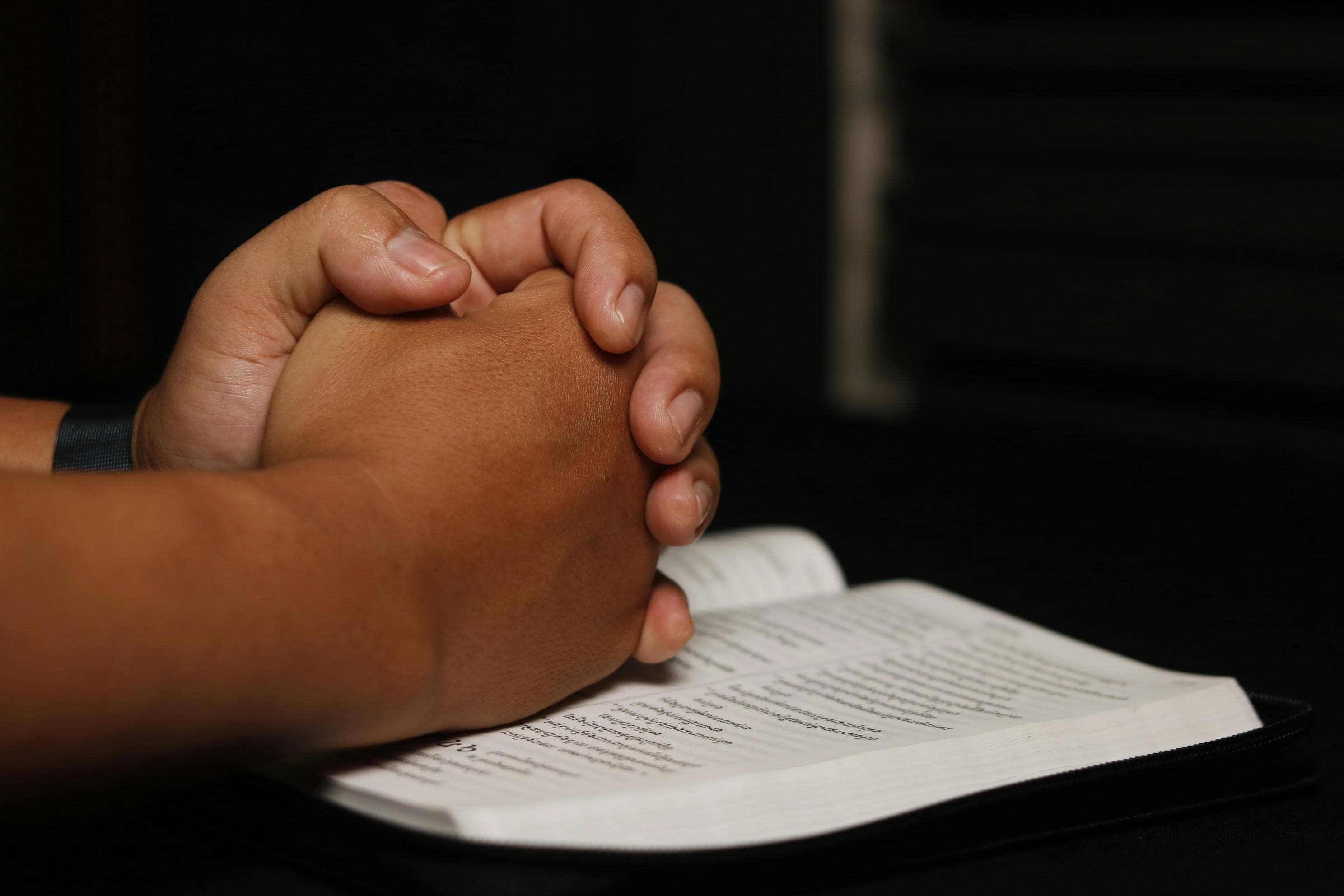
What fascinated me most in our conversation was how well the science of prayer aligns with what we know about brain function. Prayer isn't just a spiritual practice; it's a neurological one. When we engage in it consistently, we see measurable effects on the prefrontal cortex (the seat of rational thought and emotional regulation) and the amygdala (our threat-detection center). The ancient instruction to "pray without ceasing" isn't an impossible demand; it's a description of a state of ongoing awareness that, neuroscientifically speaking, keeps the mind anchored and regulated.
We also talked about something I feel strongly about: the danger of building identity on performance. When who we are becomes tied to what we produce, the brain is under constant low-grade threat. And it's something we can change.
This conversation reminded me why I do this work. Faith and science are not in opposition. More often than not, they're pointing at the same truth from different directions.
I hope it gives you as much to think about as it gave me.