
Are We Too Health-Conscious?
A wearable can measure your heart rate. It can't tell you what it means....
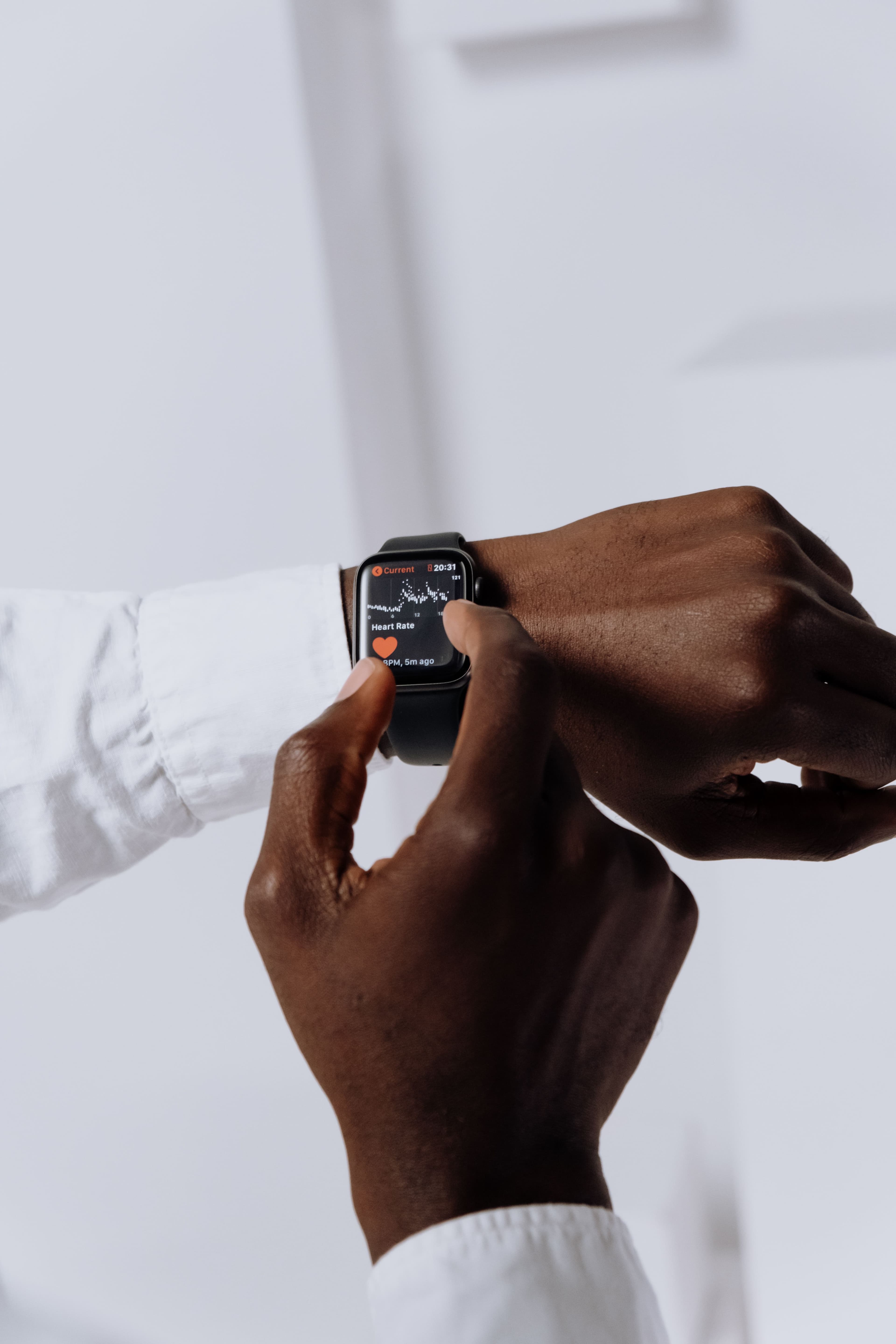
On the podcast this week, I talk about where wearable health tracking goes wrong and how to use these devices without increasing your anxiety.
Wearable trackers are mainstream now: over half of households in the UK, China, and India own one, and the market is on track to hit close to $96 billion this year. The real question isn't whether you should wear one; it's what happens to your sense of your own body once you do.
A hiker reached the summit feeling strong. He checked his watch. 130 beats per minute, an altitude spike, and nothing more. Within seconds, he went from feeling great to feeling terrible.
His mind read that number, decided what it meant, and directed the fear that followed. The watch didn't do that, which is an important distinction to understand. A wearable can describe your biology, but it can't manage it for you.
That is not to say that these devices can't be helpful. A review of 39 studies covering nearly 164,000 people found trackers actually help: more steps, better fitness, and real weight loss. But clinicians are also seeing a rise in anxiety and compulsive checking tied directly to this data. A University of Copenhagen study found that people treat tracker readings as medical facts, but many consumer sleep trackers, even the good ones, run about 60% as accurately as lab equipment.
That gap is where "orthosomnia" lives: chasing a perfect sleep score the way people chase a perfect number on a scale. The pattern shows up the same way every time: checking the app before you check in with yourself, cancelling plans because a "readiness score" said so, and feeling panic instead of relief when the battery dies.
Trackers aren't the enemy. Data is useful to a mind that's in charge of it. The trouble starts the moment the device outranks what you feel. If you finish a hike feeling strong and the watch disagrees, that's worth a real conversation with someone, not a decision to trust the smaller screen over yourself.
A key thing you should ask yourself is why you started tracking in the first place. Let that answer set the plan, not the number you see on the screen.
We dig into all of this, including where health-conscious turns into something that is costing you and how to change this, in this week's episode. Listen here.