
Is Botox Bad for Your Mental Health?
Botox requests among women under 35 have surged in the last few years. Is there a line between healthy self-improvement and body dysmorphia?...
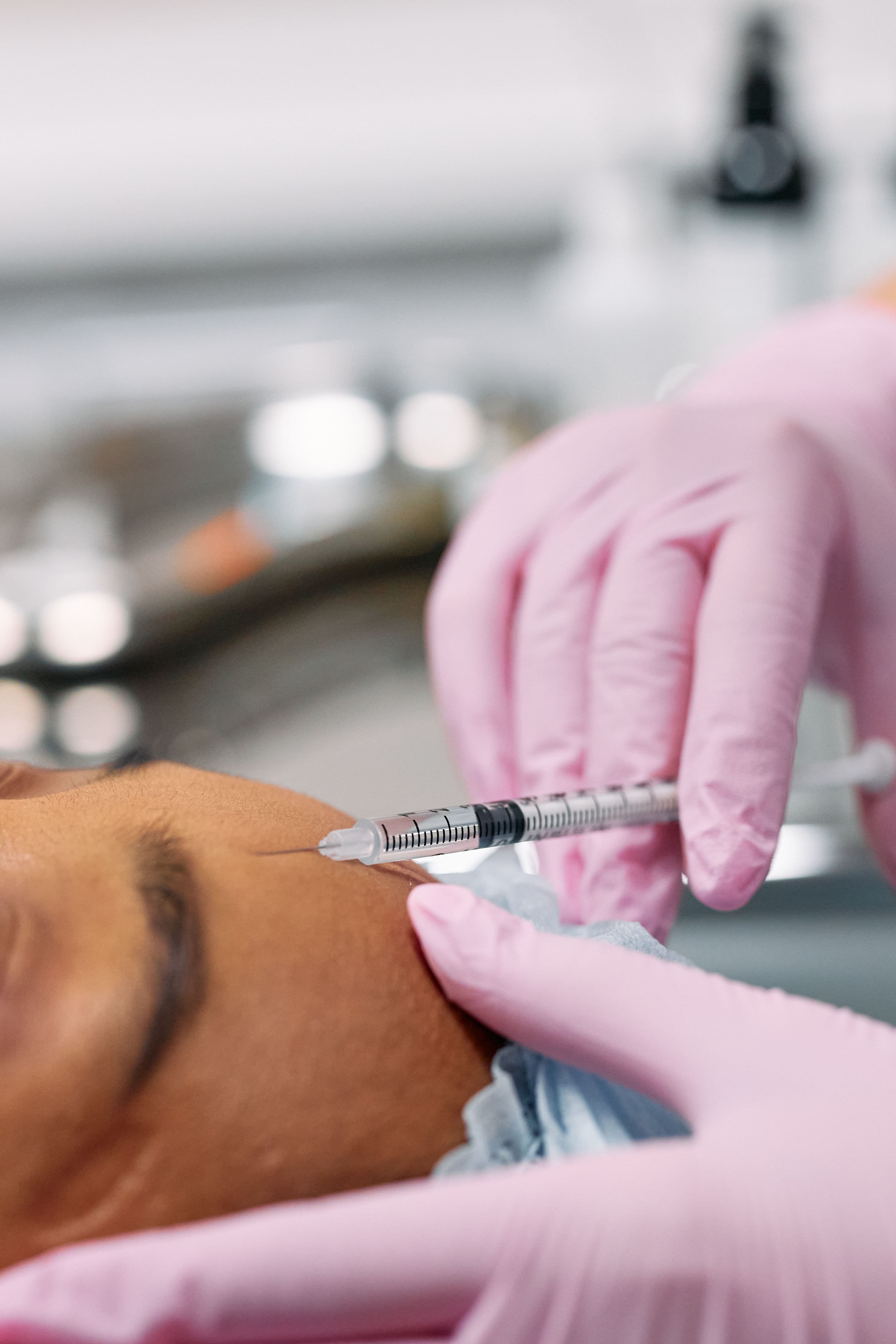
Botox is now the most requested cosmetic procedure among women under thirty-five, and a growing number of them are booking their first appointment before a single wrinkle shows up. Neurotoxin treatments among adults under 35 rose more than 70% between 2019 and 2022. Botox usage among 20- to 29-year-olds climbed 28% between 2010 and 2022. Patients in their 30s now account for close to a quarter of all aesthetic procedures.
On this week's episode of The Dr. Leaf Show, my daughter Dominique and I asked the question underneath those numbers: what changed, and should any of it concern us?
Grooming, or Something Else?
One dermatologist described the shift simply as another form of grooming, no different in kind from coloring your hair or getting your brows waxed. For a lot of people, that framing is accurate. But, at the same time, marketing has shifted from "fix what's wrong" to language borrowed straight from optimization culture: biohacking or a science-driven strategy to extend the appearance and function of youth decades down the line. That reframe makes it far easier to justify starting young, and it's worth noticing when you feel the pull toward a procedure. Is this maintenance, or is this a story you've been sold?
The Line Between Self-Improvement and Something More
A good way to think about it: it's not the needle, and it's not the face; it's the motivation. Aesthetic maintenance, following a social norm or a mild proactive preference, is one psychological engine. Anxiety, constant photo and mirror comparison, or an inability to ever feel done, is a different one. In healthy self-improvement, concerns stay proportionate to what others can actually see, satisfaction is achievable, and checking behavior is occasional. A person can be talked out of a distorted perception with evidence.
Six Signs It's Tipped Into Something More
We walk through the real markers clinicians look for when concern about appearance has moved from normal into body dysmorphic territory:
The preoccupation centers on a flaw that's minimal or invisible to anyone else. Thoughts about it consume an hour or more a day, sometimes far more. Checking behavior becomes repetitive: mirror-checking, scrutinizing photos, skin-picking, excessive grooming, or the opposite, avoiding mirrors altogether. Reassurance that doesn't land. Comparison becomes constant and fixed on one isolated feature rather than the whole picture. And the clearest tell of all: satisfaction after a procedure lasts days instead of settling, and a brand-new flaw appears to take its place. Researchers call this symptom substitution, and it's one of the reasons many dermatologic and surgical societies now recommend psychological screening before elective procedures.
What an Injection Can't Reach
If the discomfort driving the decision comes from comparison, from an old wound, or from what you believe about your own worth, no procedure will reach that place. It might silence the feeling for a few days, but it will not resolve it. That's the honest answer to a question we hear often: Will this fix how I feel, or will the insecurity just move somewhere else?
What to Say to Someone You Love
If you're worried about a friend, a partner, or a parent who keeps returning for more procedures, the goal isn't to diagnose them over dinner. It's noticing the pattern, relief that never settles, a new flaw that keeps appearing, and raising it with care instead of shame.