
Ten More Minutes Turns Into Midnight: What Revenge Bedtime Procrastination Is Telling You
You meant to go to bed an hour ago, you’re tired, and you’re still on your phone. Why do so many of us do this?...
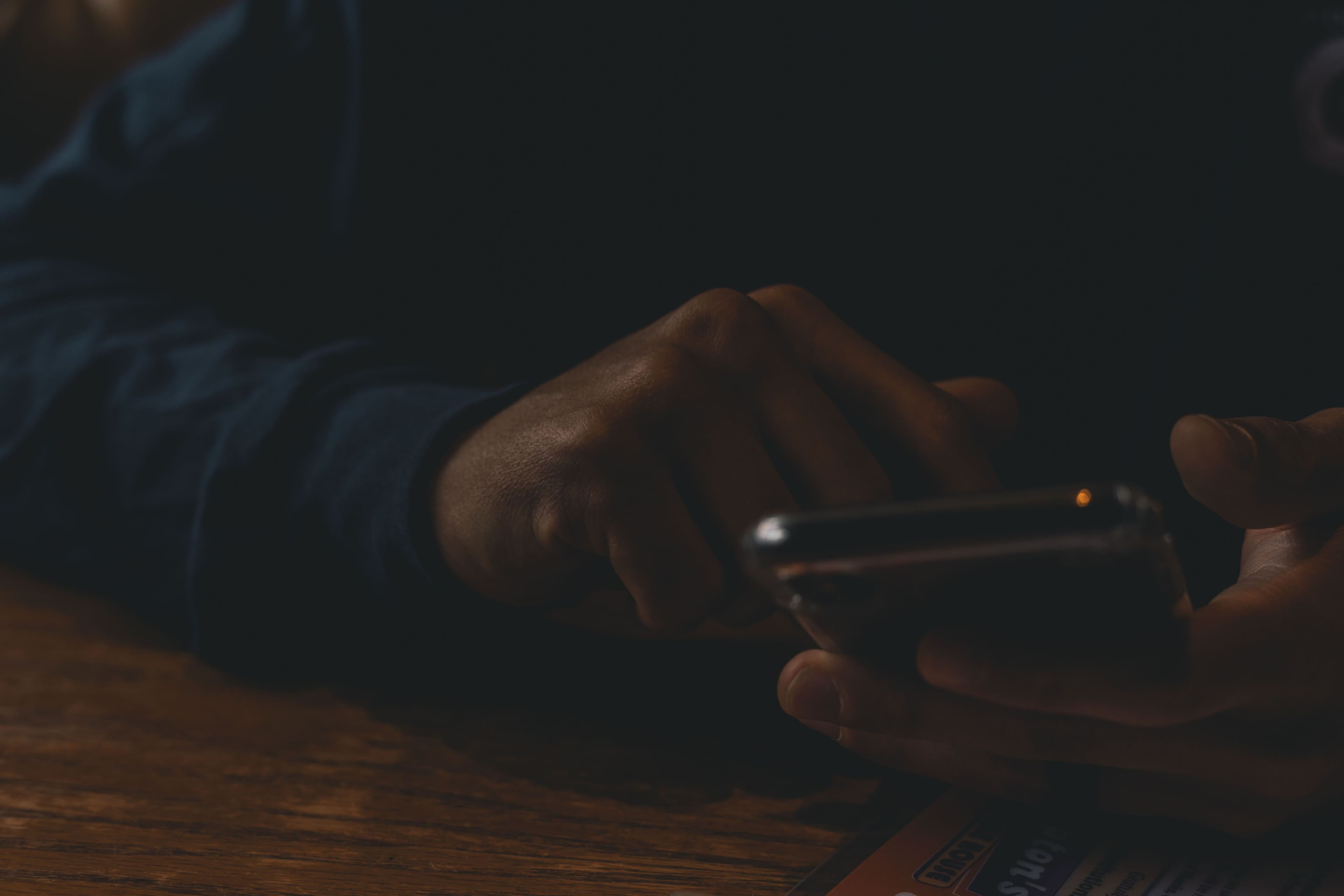
You tell yourself, "Ten more minutes." Then it's eleven o'clock. Then it's midnight, and you're still scrolling, even though you haven't really taken in anything you've seen.
There's a name for this: revenge bedtime procrastination. In this week's episode, my daughter Dominique and I talk about why so many of us do it, and how to get that time back without sacrificing sleep.
Where the Term Comes From
Researchers in the Netherlands described bedtime procrastination in 2014 as not going to bed when you meant to, even when nothing stops you. The "revenge" part caught on later. It names something almost everyone does. When work, family, and everyone else's needs fill your day, the late-night hours can feel like the only time that's yours.
A Reasonable Protest, the Wrong Tool
I think the protest makes sense. Many of us are working too much and are constantly exhausted. Wanting time for yourself is a real need. The problem is the tool. Scrolling doesn't give your brain a break. It keeps pushing more and more energy into it, like one energy drink after another, until you're buzzing and can't sleep.
A 2019 study described three kinds of bedtime procrastination: deliberate, mindless, and strategic. I want you to aim for the strategic delay. That means choosing your downtime on purpose, based on what your day and your week actually need.
Plan Your Joy First
Here's what has changed my own evenings, and what I use with my clients. At the very start of the day, ask yourself: What do I need for myself today? It might be walking the dogs, cooking a meal with someone you love, or reading a book. Plan it in. When you know your need has been met, the night stops feeling like your only chance.
During the day, take thinker moments. Switch off from the outside world for 30 seconds to a minute, at least every hour, and try for five minutes in the middle of the day. Your brain gets tired, and these moments give it a real break.
Claim Your Time in Daylight
Changing this habit takes 63 days, so this episode includes a Neurocycle prescription you can also find in our app. One line from it I'd love you to keep: asserting what I need in daylight isn't selfish. It's the end of stealing it from the night.